

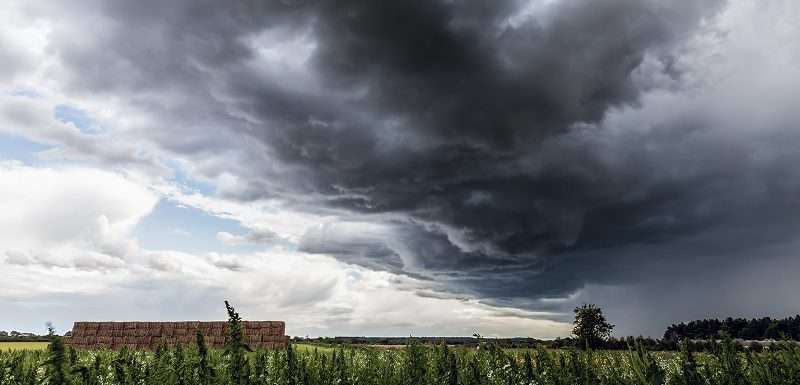
Storm Austen is expected to bring strong winds and heavy rain to parts of the UK from late Thursday 22 October into Friday 23 October. Before it arrives, check your local weather warnings, secure loose items outside, charge your phone and consider whether any journeys can wait.
A few simple checks now could help you avoid problems later. Here’s how to prepare your home, look after your car and keep yourself safe.
Where is Storm Austen expected to hit?
The Met Office has issued an amber wind warning for Cornwall, the Isles of Scilly and parts of west Devon. Southern and southwestern areas face the greatest risk of disruptive winds, while heavy rain could cause problems elsewhere.
Put your own safety first
When strong winds arrive, stay indoors where possible. Postpone outdoor jobs and avoid walking close to trees or buildings where branches, roof tiles or other debris could fall.
Keep away from exposed coastal areas, sea walls and large waves. A storm is not the time to get closer for a photograph.
Before the weather worsens:
- Charge your phone and any portable power banks.
- Keep a torch and spare batteries somewhere easy to find.
- Have drinking water and food that does not need cooking available.
- Keep essential medicines and important contact details close by.
- Check whether a relative or neighbour needs help preparing, where it is safe to do so.
Follow instructions from the emergency services. Call 999 if someone is in immediate danger.
Give your garden a quick check
Your garden furniture may have stayed put all summer, but strong winds can turn loose items into a hazard.
Before Storm Austen arrives, bring smaller items indoors or store them securely. Check plant pots, garden chairs, toys and anything else that could blow around.
Secure bins, trampolines and shed doors. Close garden gates so they cannot swing freely in the wind.
Do these jobs while conditions are safe. If something comes loose during the storm, avoid going outside to chase or secure it.
Prepare your home before the wind picks up
Check that windows and external doors close properly. From ground level, look for obvious problems such as loose roof tiles, damaged guttering or an unsecured fence panel.
Arrange professional help for repairs where needed and where conditions allow. Do not climb onto your roof or use ladders in strong winds.
Clear leaves from accessible ground-level drains before heavy rain starts. Gutters and downpipes also need to be clear, but work at height is best left to a suitable professional.
If you rent, report damage or maintenance concerns to your landlord or letting agent promptly.
Be ready for a power cut
Find your torch before you need it. A battery-powered or wind-up torch is safer than candles and helps preserve your phone’s battery.
Write down important numbers in case you lose internet access. To report a power cut or get information, call 105 in England, Scotland and Wales, or 03457 643643 in Northern Ireland.
If you need extra support, check whether you can join your energy supplier’s Priority Services Register. If you rely on powered medical equipment, make sure you have a plan with your care provider.
Think about where you park your car
If you can safely move your car before the storm, choose a space away from trees, loose structures and areas where flooding is expected.
Avoid low-lying parking spaces if water is likely to collect there. Moving your car early is much safer than trying to reach it once floodwater has started rising.
Check that your windows are fully closed and keep your keys somewhere easy to find.
Can your journey wait?
The safest choice during severe weather may be to delay your trip. Check local warnings, road closures and travel advice before leaving.
If you need to drive, check your tyres, lights and windscreen wipers first. Top up your screenwash and make sure you have enough fuel or battery charge in case your journey takes longer.
Take a charged phone, warm clothing, drinking water and a torch.
While driving:
- Slow down and leave more space behind the vehicle ahead.
- Use dipped headlights when visibility is seriously reduced.
- Hold the steering wheel firmly with both hands.
- Expect sudden gusts on exposed roads and when passing gaps between buildings.
- Give cyclists, motorcyclists and high-sided vehicles extra room.
Never drive through floodwater
You cannot reliably judge the depth of floodwater or see what is underneath it. The road may be damaged, and moving water can carry vehicles away.
Turn around and find another route. Seeing another driver get through does not make it safe for you to follow.
What if flooding is expected at home?
Check flood information for your area and follow official advice. Flood services differ across England, Scotland, Wales and Northern Ireland.
If you have time and it is safe, move important documents, electrical items and valuables upstairs or onto higher shelves. Keep essential medicines and insurance details together so you can take them with you.
Do not walk or drive through floodwater to rescue belongings. Follow any advice to leave your home.
Check your insurance details
Home and car insurance can help with certain storm losses, but cover depends on your policy.
Comprehensive car insurance generally covers storm damage to your own vehicle. Third party, fire and theft cover generally does not.
For home insurance, check storm cover, exclusions and your excess. Gradual damage and wear and tear are usually excluded. A named storm does not automatically mean every loss is covered.
If damage occurs:
- Put safety first.
- Take photographs when safe.
- Follow the claims instructions in your policy documents.
- Keep receipts for emergency work.
- Speak to your insurer before arranging permanent repairs or discarding damaged items, unless they pose a health risk.
Need help with your policy?
If you arranged your insurance through One Call, visit our contact and support page for help finding the right support.
If you need to update your details or ask about your cover, contact your insurance broker.
Sources
- Met Office: Storm Austen forecast and warnings and latest UK weather warnings
- Met Office: Staying safe in strong winds and travelling in storms and heavy rain
- UK Government: Preparing for power cuts and preparing for flooding
- Croydon Council: Storms and severe weather
- Association of British Insurers: Storm preparation, insurance and claims
