

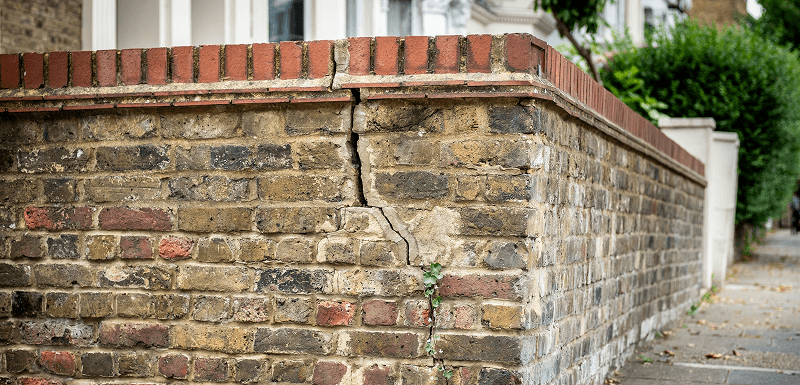
Subsidence happens when the ground beneath a building sinks, causing its foundations to move downwards. This can put strain on the building and lead to cracks in walls or other damage.
Finding a crack at home can be worrying, but it does not always mean subsidence. Knowing what to look for can help you decide when to seek advice.
What causes subsidence?
Several things can affect the ground supporting your home.
Hot, dry weather
Clay soil can shrink as it dries out. During a long spell of dry weather, this may cause the ground beneath a home’s foundations to move.
When clay takes in water again, it can swell. This change in size is known as “shrink–swell”. How much movement happens depends on the type of clay and the amount of moisture in the soil.
Trees and shrubs
Trees and shrubs draw water from the ground through their roots. Where a home stands on clay soil, this can dry out the ground and contribute to subsidence.
Having a tree near your house does not automatically mean there is a problem. Soil conditions, the tree’s needs and the building’s foundations all matter.
Leaking drains and old mine workings
Water escaping from drains or pipes can wash away soil or soften it, reducing support beneath a building.
In some areas, the collapse of old underground mine workings can also cause subsidence.
What are the signs of subsidence?
Possible warning signs include:
- Diagonal cracks, especially around windows and doors.
- Cracks that are wider at the top than the bottom.
- Cracks visible in the same area inside and outside.
- Doors or windows that start sticking without an obvious reason.
Cracks wider than 3mm deserve attention, but size alone cannot tell you what caused them. A smaller crack that is changing may also need checking.
Not every crack means subsidence. Drying plaster, changes in temperature and a new building settling can all cause cracks. Get advice if a crack appears suddenly, keeps growing or comes with other changes around your home.
Is subsidence the same as settlement?
No. Settlement happens when a building’s weight compresses the ground beneath it, often after construction.
Subsidence involves the ground beneath the building sinking for other reasons, such as soil shrinking or being washed away. Different parts of the building may move by different amounts.
A professional assessment can help identify the cause. This matters because insurance policies may treat settlement and subsidence differently.
What should you do if you suspect subsidence?
Contact your insurance broker promptly and explain what you have noticed. Follow the claims reporting instructions in your policy documents.
Take clear photographs and note when you first spotted the damage. These records may help show whether anything changes.
Avoid simply filling or painting over a worrying crack before it has been assessed. Ask the claims team for guidance before arranging repairs.
An insurer may appoint a specialist to inspect your home and find the cause. Where movement is ongoing, monitoring may be needed before a repair plan can be agreed.
How is subsidence repaired?
The right repair depends on the cause. Work may involve fixing leaking pipes or managing nearby trees with professional advice.
Some homes need underpinning, which strengthens or deepens the foundations. However, underpinning is not needed in every case.
The cause of the movement needs to be addressed before lasting repairs to the damage can be completed.
Does home insurance cover subsidence?
Buildings insurance usually covers damage to the structure of a home caused by subsidence. However, cover varies, so check your policy wording and schedule.
Look for the subsidence excess, which is the amount you pay towards a claim. It may be higher than the excess for other types of damage.
Restrictions can also apply to patios, paths and other outside areas. For example, some policies only cover these when the main home is damaged too.
When arranging or renewing insurance, answer questions about previous subsidence and building movement carefully and accurately. Contact your insurance broker if you are unsure what information to provide.
Can you reduce the risk of subsidence?
You cannot prevent every cause, but regular maintenance can help.
Keep gutters, drains and pipes in good condition, and deal with leaks promptly. Get advice from a qualified tree specialist before planting large trees close to your home or carrying out work on existing trees.
Do not assume that cutting down a tree will solve the problem. Removing a tree can change moisture levels in clay soil and cause it to swell, potentially pushing the ground upwards. This is called heave.
Need help understanding your home insurance?
Checking your cover now can help you understand what to do if a problem develops. If you have home insurance arranged through One Call Insurance, contact us if you need help understanding your policy documents.
One Call Insurance is an insurance broker. Your cover is provided by your insurer and is subject to your policy’s terms, conditions and exclusions.
Sources
- Association of British Insurers: Subsidence and What to do if subsidence happens.
- British Geological Survey: Swelling and shrinking soils and BGS GeoSure: shrink–swell.
- Financial Ombudsman Service: Subsidence and other types of ground movement.
- AXA UK: What is subsidence and its signs?
