

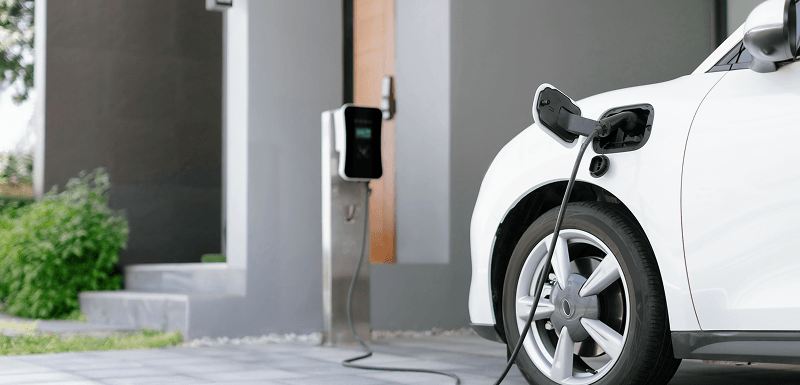
Installing an electric vehicle charging point at home can make owning an electric car more convenient. Instead of searching for a public charger, you can charge your vehicle on your driveway or in your garage.
However, an EV charger becomes part of your property once installed. This may raise questions about home insurance, safety and planning permission.
Here is what you should check before installing a home EV charging point.
Does an EV charging point affect home insurance?
Installing an EV charger will not necessarily increase your home insurance price. However, it is sensible to tell your insurer before the work begins.
Your insurer may want to know:
- Where the charger will be installed
- How much it is worth
- Who will complete the installation
- Whether any changes are needed to your wiring or consumer unit
- Whether the charger will be attached to your home, garage or another structure
Keeping your insurer informed helps make sure your policy details remain correct. It also gives you the chance to confirm whether the charger will be covered.
Is a home EV charger covered by buildings insurance?
A charging point that is permanently attached to your home may be treated as part of the building. This means it could be covered by buildings insurance against certain risks, such as fire, theft, storm damage or vandalism.
However, this is not automatic. The definition of a building and the cover provided can vary between insurers and policies.
Ask your insurer whether the policy covers:
- The wall-mounted charging unit
- Fixed cables and electrical wiring
- Chargers installed inside a garage
- Freestanding charging posts
- Accidental damage to the charger
- Theft or attempted theft
You should also check the policy excess and any limit placed on charging equipment.
What about charging cables?
A removable charging cable may be treated differently from a fixed home charger.
Depending on your policy, it might be covered by:
- Your home contents insurance
- Personal belongings cover
- Your electric car insurance
- A separate warranty or protection plan
Do not assume the cable is covered both at home and while travelling. Check whether protection applies when the cable is stored in your vehicle or used at a public charging point.
Home insurance will not normally cover the electric vehicle itself. Your car will need suitable motor insurance.
What happens if the charger causes damage?
If an electrical fault leads to a fire or damages part of your property, your buildings or contents insurance may cover the resulting damage. This will depend on the cause of the incident and the terms of your policy.
Standard home insurance may not cover:
- Poor workmanship
- An incorrect or unsafe installation
- Wear and tear
- A mechanical or electrical breakdown
- Damage that happens gradually
- A fault already covered by the manufacturer’s warranty
This is why it is important to use a qualified installer and keep all certificates, invoices and warranty documents.
Use a qualified EV charger installer
A home EV charger should be fitted by a registered and competent electrician who is trained to install electric vehicle charging points.
The installer should check whether your home’s electrical system can manage the additional demand. Some properties may need changes to the consumer unit, wiring or electricity supply before a charger can be used safely.
Your installer should also determine whether the local Distribution Network Operator, known as the DNO, needs to be informed before or after the work. Government guidance explains that the installer will normally assess this during their visit.
After the work is complete, keep copies of your:
- Installation certificate
- Building regulations certificate, where required
- Invoice and payment receipt
- Manufacturer’s warranty
- Charger model and serial number
- DNO notification or approval
These documents may be useful if you sell your home, experience a fault or need to make an insurance claim.
Avoid relying on an ordinary plug socket
A dedicated home charging point is generally the safest way to charge an electric vehicle at home.
Electric vehicles draw power for long periods, which may place more demand on a standard socket and household wiring than they were designed to handle. Electrical Safety First recommends using a dedicated EV charging point from a reputable manufacturer.
You should never use an extension lead to charge an electric vehicle. Regularly check the charger and cable for cracks, exposed wires or other signs of damage. Stop using the equipment and contact a qualified electrician if you notice a problem.
Do you need planning permission?
If your home has off-street parking, you may be able to install an EV charger without making a planning application.
In England, many installations fall under permitted development rights. Conditions apply to the charger’s size, position and the type of property. Different rules may apply to listed buildings, scheduled monuments and properties where permitted development rights have been restricted.
Planning rules differ across the UK, so check with your local planning authority before arranging the work. The Planning Portal provides further guidance for properties in England.
What if you do not have a driveway?
Charging can be more complicated if your vehicle is parked on the road.
Do not trail a loose cable across a public pavement. It could create a trip hazard and may cause problems with your local council or insurance cover.
Some councils allow approved cross-pavement charging channels or gullies. You will usually need permission from your local authority before installing one, so check the rules in your area first.
Can renters and flat owners install a charger?
If you rent your home or live in a leasehold flat, speak to your landlord, freeholder or managing agent before arranging an installation.
You may need written permission because the work could affect:
- The building’s exterior
- Shared walls or communal areas
- The property’s electrical supply
- An allocated or shared parking space
- The building’s insurance
Flat owners should also check the terms of their lease. Landlords may need to update their own buildings insurance after a charger is installed.
Are home charging grants available?
Some households may be eligible for financial support towards the cost of installing a charging point.
As of July 2026, eligible renters and flat owners can receive up to £500 towards an installation. Support is also available for some households with on-street parking that are installing an approved cross-pavement charging solution.
The schemes have eligibility rules and are currently available until 31 March 2027. Check the latest GOV.UK EV chargepoint grant guidance before arranging any work, as a grant may not be available after installation has already started.
Home EV charger checklist
Before installing your charging point:
- Contact your home insurer and ask how the charger will be covered.
- Check whether your motor insurance covers the wallbox or charging cable.
- Get permission from your landlord, freeholder or managing agent if required.
- Check local planning and pavement-crossing rules.
- Choose a registered electrician with EV charger training.
- Make sure the DNO is notified where necessary.
- Keep all installation, insurance and warranty documents.
- Check the equipment regularly and report any damage.
Keep your home and charger protected
A home charging point can make driving an electric vehicle much easier. Taking time to arrange a safe installation and check your insurance can also help you avoid unexpected problems later.
If you are installing a charger or have recently switched to an electric vehicle, it may be a good time to review your home cover. One Call Insurance can help you compare home insurance options and find cover suited to your property.
Always check your policy wording for full details, limits and exclusions.
